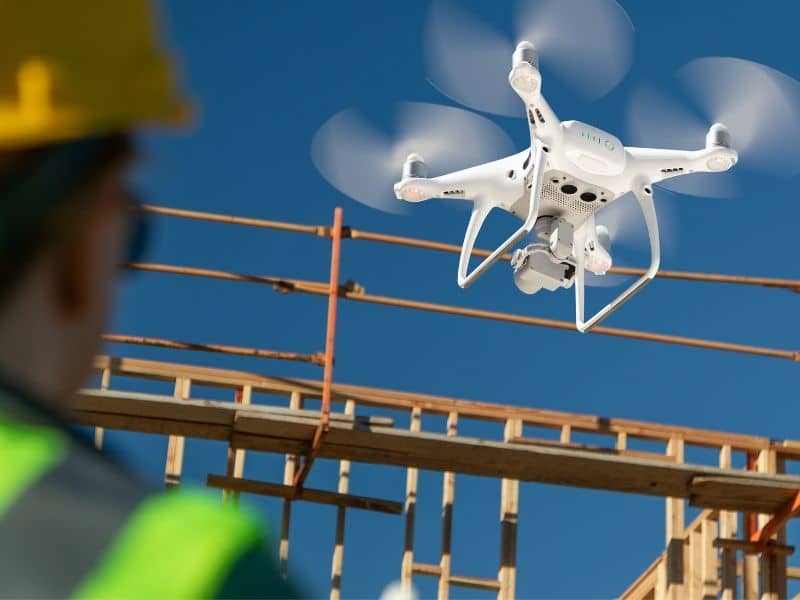
When you work with large areas of land, from sprawling farms and forests to industrial parks and utility corridors, gathering accurate data takes time and effort. Walking every foot of ground, setting up equipment at many points, and navigating rough terrain slows down the process and can leave gaps in coverage. Drone LiDAR mapping changes this approach by capturing detailed information over huge spaces in a much shorter time. It gives developers, planners, and land managers a complete picture of the site without missing important details.
This method does not replace careful survey work, but it expands what is possible. It turns large, complex properties into clear, usable data sets that guide every step of planning and development.
Why Large Properties Demand a Different Survey Strategy
Surveying a small lot or city block follows a simple pattern. You measure boundaries, check elevations, and note visible features. When the site stretches across hundreds or thousands of acres, the work becomes far more complex. Thick vegetation, steep slopes, wetlands, and limited access roads make it hard to reach every corner on foot.
Traditional methods often focus on key points rather than the whole area. This leaves room for guesswork between measured spots. Large projects also require consistent data across the entire site, so different teams can work from the same facts. Drone LiDAR mapping fits this need perfectly. It covers every section evenly, even where people cannot easily walk, and creates a uniform set of information that works for every stage of the project.
Capturing an Entire Site Instead of Sampling Individual Areas
Many older approaches collect measurements at separate locations and fill in the rest with estimates. This works for basic tasks but does not show small changes in elevation, hidden depressions, or variations in slope that can affect construction and drainage. Drone LiDAR mapping gathers data from above, covering every square foot of the property in one continuous pass.
It creates a full digital representation of the land, including both the ground surface and the features sitting on it. You can see how water will flow, where the ground rises or falls, and how structures fit into the natural shape of the site. This complete view removes uncertainty and gives you a true picture of what you are working with. You can rely on detailed terrain data to build realistic plans and avoid surprises later.
Turning Millions of Data Points Into Better Project Decisions
The system collects millions of individual measurements across the property. These points come together to form a precise map that shows height, shape, and position with great clarity. Engineers use this information to design roads, drainage systems, and building foundations that fit the land exactly. Planners use it to decide where to place new facilities, preserve natural areas, or route utilities.
Even small differences in elevation matter when you are moving soil, managing water flow, or planning access routes. Having this level of detail lets you choose the most efficient way to shape the site. It also helps you calculate how much work and material you will need, so budgets stay accurate. You can trust site measurement data to guide choices that save time and money.
Keeping Multi-Phase Projects Working From the Same Site Data
Large developments rarely happen all at once. They move through design, permitting, site preparation, construction, and final build-out over months or years. Each phase involves different teams, such as surveyors, architects, environmental specialists, and contractors. If each group uses different maps or measurements, plans can conflict and cause delays.
Drone LiDAR mapping creates one shared source of information that everyone can use from start to finish. The same data set works for initial studies, detailed design, and construction checks. It reduces confusion and makes sure every decision stays aligned with the actual conditions of the land. This consistency keeps the project moving forward smoothly and reduces the need to recheck measurements repeatedly.
Why Drone LiDAR Mapping Supports Long-Term Property Management
The value of this mapping does not end once construction begins. The digital model remains a useful tool for years to come. It helps track changes to the land over time, such as erosion, vegetation growth, or shifts in drainage patterns. Property managers use it to plan expansions, maintain roads and utilities, or prepare for future improvements.
It also serves as a permanent record of the site’s layout and features. If you ever need to update plans, apply for new permits, or sell part of the property, you have accurate, up-to-date information ready. This long-term view turns a single survey effort into a lasting resource that protects your investment and keeps operations running efficiently.
Frequently Asked Questions
What types of large properties benefit most from Drone LiDAR Mapping?
It works best for large rural tracts, industrial sites, transportation corridors, energy facilities, and conservation areas. Any property that covers wide distances, has difficult terrain, or requires detailed elevation data will gain the most from this method.
Can Drone LiDAR Mapping collect terrain data in heavily wooded or difficult-to-access areas?
Yes. The technology sends signals that can pass through gaps in tree cover and reach the ground below. It can map steep slopes, dense forests, and wet areas where walking or driving is slow or impossible.
How do engineering firms use Drone LiDAR Mapping after the initial survey is completed?
They use the data to create 3D models, design drainage systems, calculate earthwork volumes, and plan infrastructure routes. It also helps them check that construction matches the approved design throughout the project.
Can Drone LiDAR Mapping data be reused for future phases of the same development project?
Absolutely. The digital file stays accurate and can be updated as needed. It serves as a base for later expansions, maintenance work, or new improvements without needing a full re-survey from scratch.
Is Drone LiDAR Mapping suitable for infrastructure, utility, and transportation projects?
Yes. It provides the precise measurements needed to plan roads, pipelines, power lines, and railway routes. It also helps identify potential conflicts with existing features and ensures designs follow the natural shape of the land.

 Land Surveyors are professionals who make precise measurements to determine the size and boundaries of a piece of real estate. While this is a simplistic definition, boundary surveying is one of the most common types of surveying related to home and land owners. If you fall into the following categories, please click on the appropriate link for more information on that subject: