
Boundary Surveying Before Replacing a Fence on an Older Lot
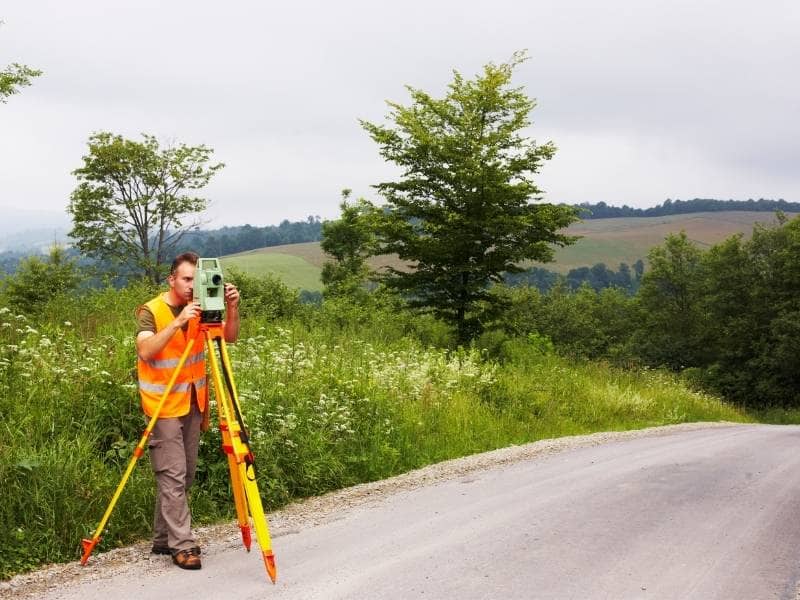
Replacing a fence on an older lot is rarely as simple as pulling out the old posts and setting new ones. Boundary surveying becomes a real concern on these properties because so much can change over decades, and most of it isn’t visible from the surface. Missing markers, fences that have slowly drifted out of position, and records that don’t quite match current conditions are all common on older lots, and discovering any of them after the new fence is already built tends to be expensive.
Why Older Lots Often Have Missing or Difficult-to-Locate Property Markers
When a neighborhood was first built, surveyors placed corner markers at each property boundary. On a lot that’s been around for 40 or 50 years, those markers are often gone or buried. Lawn maintenance, grading, tree growth, and small construction jobs have had decades to cover them up or knock them out of position.
A marker set at ground level in the 1970s might now sit several inches underground after years of soil buildup. One near a driveway might have been pulled out during a repaving job with nobody noticing. When a surveyor works on an older lot, they often pull from several sources, old records, neighboring monuments, deed measurements, just to figure out where the corners belong. That process takes more time than a survey on a newer property, and the results sometimes catch homeowners off guard.
How Years of Repairs and Modifications Can Shift an Existing Fence Location
Most fences on older lots have been touched by more than one owner. A storm damages a section, so someone patches it and moves it slightly to avoid a tree. A later owner adds panels to enclose more of the yard. By the time the current owner looks at replacing everything, the fence that’s standing today might look nothing like what the legal records show.
Each repair made sense at the time. Nobody called a surveyor before adding a few fence panels. But over enough years and enough owners, those small changes add up, and the fence can end up sitting noticeably off the legal line. Sometimes it favors the homeowner’s yard. Sometimes it cuts into it. Replacing the fence in the same spot means carrying all those old errors into the new project, and that becomes a problem if a neighbor runs their own survey later.
Why Mature Trees, Sheds, and Landscaping Features Can Complicate Fence Replacement
Older properties tend to have things that newer ones don’t. Large trees with wide root systems, retaining walls, sheds that have been there for 30 years, hedges that took decades to grow. All of these affect where a replacement fence can actually go, and some of them create real complications when the verified boundary line runs close to them.
A mature tree sitting right on the property line changes the whole plan. A retaining wall built a few feet inside the legal boundary raises questions about whether the fence should follow the wall or the actual line. A shed near the back corner of the lot limits where posts can go. Having a boundary survey done before sorting any of this out gives the homeowner real information to work with, not guesses based on a fence that may have been wrong for years.
How Older Subdivision Records Can Require Additional Research
Surveyors working on newer properties usually have clean records to pull from. On older lots, that’s not always the case. Plats from older subdivisions sometimes reference landmarks that no longer exist, or use measurement methods that differ from current standards. Deeds from the same period can describe boundaries in ways that made sense at the time but are harder to apply today.
To get an accurate result on an older lot, a surveyor often needs to cross-reference several sources. That might mean reviewing the original subdivision plat, tracking down deeds from earlier sales, checking nearby surveys, and sometimes visiting a local records office for documents that aren’t available online. It’s more work than a standard survey, but it’s the only way to get a result you can actually build from with confidence.
Why Boundary Surveying Helps Protect Long-Term Improvements on Older Properties
A fence replacement on an older lot is rarely just about the fence. Most homeowners doing this kind of project are already thinking about what comes next, a patio, a garden expansion, a shed, or an addition down the road. All of those future plans depend on knowing where the property line actually sits, and getting that wrong early creates problems that get harder and more expensive to fix as more work goes in.
Putting money into cedar, vinyl, or ornamental metal fencing and then learning the fence is in the wrong spot is a situation worth avoiding. Future projects built on a wrong boundary assumption can lead to disputes with neighbors, permit problems, and legal complications that cost far more to sort out than a survey ever would have. A boundary survey done before the fence goes in gives the homeowner a verified reference point they can use for every project that follows.
FAQs
Why are boundary surveys especially helpful on older lots?
Older properties often have buried or missing markers, fences that have shifted over many years, and records that take extra research to sort out accurately.
Can an existing fence on an older property be inaccurate?
Yes. Multiple repairs and modifications by different owners over the years can push a fence line away from the legal boundary without anyone realizing it.
Do mature trees and landscaping affect fence replacement plans?
They can. Large trees, retaining walls, sheds and established garden features all affect where a new fence can go, and knowing the exact boundary helps plan around them properly.
Are older subdivision records still used during boundary surveying?
Yes. Surveyors review historical plats, deeds and earlier survey records to verify boundaries, especially when markers are missing or hard to locate.
Should I get a boundary survey before replacing an old fence?
On an older lot, a boundary survey gives you accurate placement information before you spend money on materials and labor, and it supports any future improvements that depend on knowing where the line sits.