
Planning a Side-Lot Purchase With a Property Line Survey
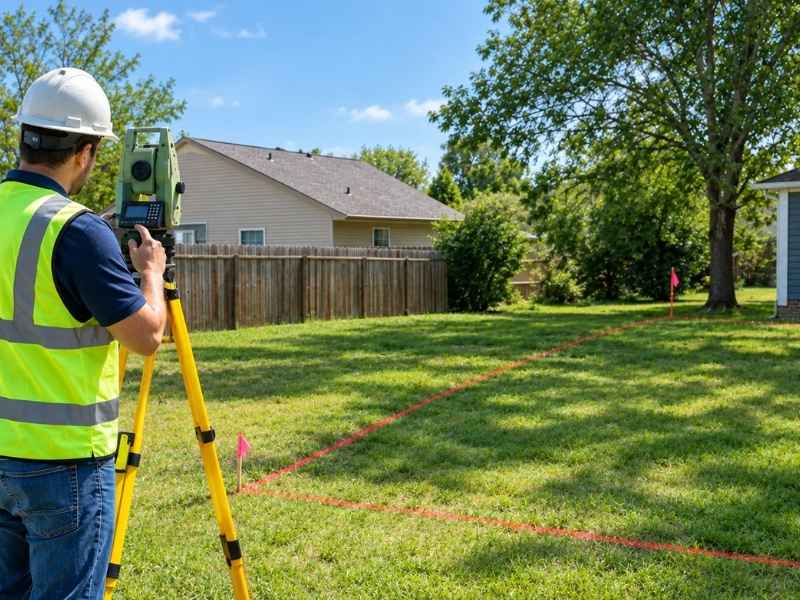
The lot next to yours goes up for sale, and suddenly a bigger yard or a place for a shop feels possible. Buying an adjacent lot is one of the smartest moves a property owner can make. It can also hide problems that only show up after the deal closes. A property line survey is the tool that keeps those surprises off your plate. It confirms where the shared boundary sits, what crosses it, and how the two parcels fit together before you sign anything.
Confirming the Side Lot’s Relationship to Your Existing Parcel
A property line survey is a professional measurement of a parcel’s true boundaries. Before you buy the lot beside you, you need to know how that lot connects to the land you already own. The two parcels may share a clean line, or the records may tell a messier story than you expect.
Start by treating the side lot as its own parcel with its own legal description. A legal description is the written record of a property’s shape and size, found in the deed. A licensed surveyor reads both descriptions and checks whether they meet along a single, agreed line. Sometimes they do, and sometimes there’s a gap or an overlap that no one noticed for years.
This tells you what you’re actually buying. It also shows whether the side lot is a separate parcel of record or part of a larger tract that would need to be split first. Knowing that early saves you from a stalled purchase later on.
Reviewing the Common Boundary Between Both Properties
The common boundary is the line the two lots share. It becomes the most important line on the map once you own both sides of it. A property line survey locates that boundary on the ground, not just on paper.
The surveyor searches for the corner monuments that mark each end of the shared line. A monument is a physical marker, often an iron pin or a capped rod, set to show a corner. When those markers are found and match the records, the boundary is confirmed. When they’re missing or out of place, the surveyor works from the deeds and nearby evidence to reset the true line.
A clear common boundary matters even when you plan to own both lots. You may combine them, or you may keep them separate and sell one later. Either way, a boundary you can trust protects the value of both parcels and keeps future buyers or lenders satisfied.
Checking Improvements That Cross or Approach the Shared Line
Improvements are the built features on a property, such as fences, sheds, driveways, and garages. Many boundary problems come from improvements that sit too close to the line or cross it. A property line survey shows exactly where these features fall against the true boundary.
An encroachment happens when a structure sits partly on land it doesn’t belong to. A neighbor’s shed might edge onto the side lot, or an old fence might sit a few feet off the record line. When you buy the adjacent parcel, you take on whatever crosses that boundary, so it pays to find it now.
The survey also flags features that approach the line without crossing it. A driveway that hugs the boundary can limit where you build later. Knowing these details helps you plan around setbacks, which are the minimum distances a structure must keep from a property line. Setback rules can vary by municipality, zoning district, and parcel type, so confirm them with your local office before you design anything.
Comparing Survey Information With the Side Lot Description
Once the field work is done, the surveyor compares what they measured against the side lot’s written description. This is where paper meets reality. The goal is to confirm that the deed, the plat, and the ground all agree.
A plat is a recorded map that shows a parcel’s dimensions and corners. When the survey matches the plat and deed, you have solid footing for the purchase. When they don’t match, the survey reveals the difference so it can be addressed before closing. A missing few feet or a shifted corner can change the price, the plan, or the deal itself.
Buyers, lenders, and title companies often rely on this comparison during due diligence. Title companies in particular want a clear boundary before they insure a sale. Survey needs can vary by lender, title company, and county, so ask early what proof each party will require for your side-lot purchase.
Planning How the Combined Property May Be Used
With the boundary confirmed and the description checked, you can plan the combined property with real numbers. This is the payoff for doing the survey first. You know your total area, your true lines, and what already sits near them.
Some owners choose to merge the two parcels into one. A lot combination joins them into a single legal parcel, which can simplify taxes and open up more room to build. Others keep the lots separate to preserve the option of selling one down the road. Each path has its own rules, and whether a combination is allowed can depend on zoning, the municipality, and the parcel type.
A survey supports whichever direction you take. It gives your builder accurate lines for a new garage, an addition, or a workshop. It also helps you respect easements, which are legal rights that let others use part of your land for access or utilities. Confirm your survey and permitting needs early, especially if construction or a closing date depends on the result.
Frequently Asked Questions
Do I really need a property line survey to buy the lot next door?
It’s strongly recommended, even for a simple side-lot purchase. The survey confirms the shared boundary, reveals any encroachments, and matches the ground to the deed. Without it, you may inherit problems the seller never disclosed. A survey gives you a clear picture before your money is on the line.
Can I combine the two lots into one after I buy?
Often you can, but it depends on local rules. A lot combination merges two parcels into a single legal one, which can help with building room and taxes. Whether it’s allowed can vary by zoning, municipality, and parcel type. Check with your local planning office and confirm the process before you count on it.
What if my existing fence sits on the side lot?
A property line survey will show that right away. Once you own both parcels, a fence crossing the old shared line becomes far less of a concern. Still, it helps to document where everything sits in case you sell one lot later. Accurate records protect the value of both properties.
