
How a Loan Closing Survey Helps Clarify Shared Driveway Access
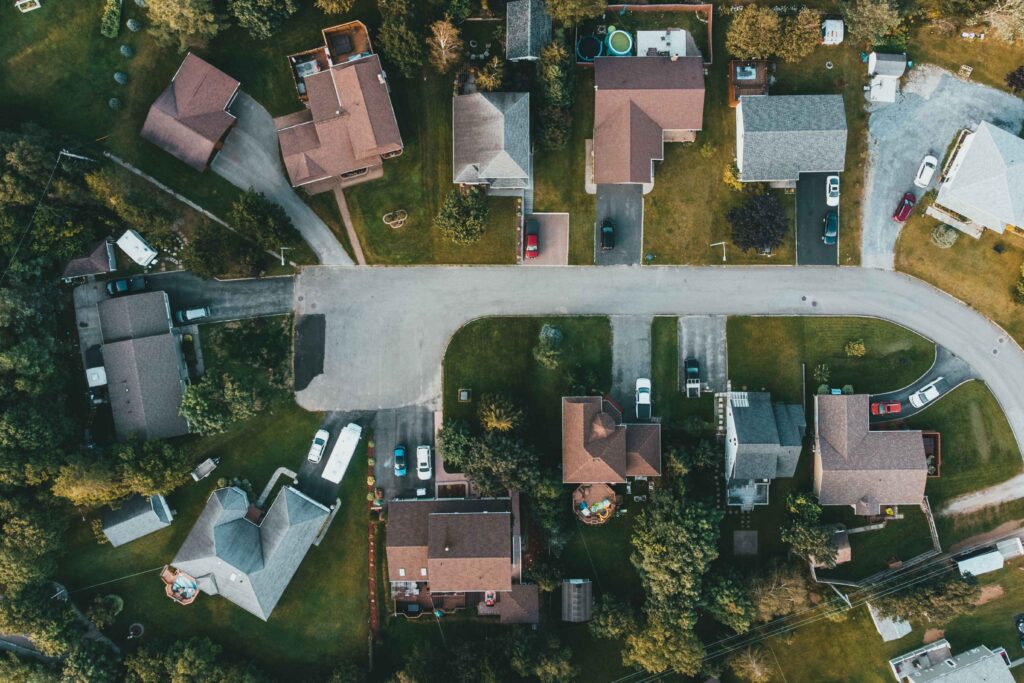
A shared driveway can raise real questions right before a home closing. Who has the right to use it? Does it sit fully on the property being sold? A loan closing survey helps answer these questions with real, measured facts. It shows exactly where the driveway sits. It shows how the driveway relates to the home. It also shows how the driveway connects to the land next door. This matters most when access isn’t simple.
Showing the Shared Driveway in Relation to the Property Being Financed
A loan closing survey starts by finding the driveway itself. It shows exactly where the driveway sits. This includes its position next to the home being financed, the neighbor’s property, and any nearby improvements.
This gives buyers and lenders a clear picture. They don’t have to rely on a quick walk-through. They don’t have to guess from a rough description. Everyone can see the driveway’s real spot on the ground.
This matters most for home closings. A buyer needs a clear answer before signing loan papers. A driveway that looks simple from the street can turn out to be more complex once its real edges get measured.
Comparing the Driveway Location With Recorded Access Rights
Once the driveway is found, the survey gets checked against any recorded easements or title papers tied to the property. This checks one thing. Does the real driveway line up with the documented access right?
Sometimes these two things match well. The driveway sits right where the recorded easement says it should. Other times, the real driveway sits a bit off from that path. It might even stretch past it.
This check gives buyers and lenders something solid to work with. Instead of guessing whether the driveway is properly recorded, the survey and title papers get reviewed side by side for a clearer answer.
Identifying Whether the Driveway Crosses More Than One Parcel
Some driveways don’t stay on just one property. A shared driveway might stretch across a neighbor’s land. Or a neighbor might use part of the property being financed just to reach their own home.
Survey information can show this clearly. It shows if the driveway crosses onto another parcel. It also shows how much of it sits on each side of the property line.
This matters at closing. A buyer needs to understand the real path they’re taking on. It’s not enough to know there’s “a shared driveway” in general. Seeing exactly how the driveway crosses each property line gives everyone a clearer picture before the deal closes.
Documenting Nearby Improvements That Could Affect Shared Access
Driveways rarely sit alone. Fences, garages, walls, and parking spots often sit close by. Sometimes they sit right along the edge of the shared path.
When these features fall within the survey’s scope, they can be shown next to the driveway itself. This gives a fuller picture of how the whole area gets used.
These details matter. They can affect how the driveway works day to day. A fence built too close to the edge, or a garage placed right against the shared path, can change how smoothly that access works for both homes.
Helping Buyers and Lenders Understand the Access Layout Before Closing
Once the driveway, the recorded rights, the parcel crossings, and the nearby improvements are all shown, the survey comes together as one clear picture. This gives everyone at closing a real, visual sense of the access layout.
A buyer can see exactly what they’re taking on. They don’t have to rely on guesses formed during a home showing. A lender can review that same clear picture before finalizing the loan. A title professional can use it alongside the recorded papers during their own check.
This clarity matters most right before closing. Questions about access need real answers, not best guesses. A finished survey gives that answer in a form everyone can actually see.
Frequently Asked Questions
What is a loan closing survey for a property with a shared driveway?
It’s a survey made for a real estate closing. It can show the property lines, visible improvements, and the shared driveway’s location, when those items fall within the survey’s scope.
Can a loan closing survey show whether a shared driveway crosses a neighboring property?
Yes. The survey can show the real driveway next to the surveyed parcel and the neighbor’s boundary. This makes any crossing clear.
Can a loan closing survey confirm a recorded driveway easement?
The recorded easement papers can be compared with the surveyed driveway location. Legal interpretation of that easement stays a title or legal matter. The survey itself doesn’t decide that part.
Why does shared driveway access matter during a home closing?
Buyers, lenders, and title professionals may need to understand how the property gets reached. They also need to know if the visible access matches what the records actually show.
Does a shared driveway automatically mean there is a recorded access easement?
No. Shared use alone doesn’t prove a recorded easement exists. That’s exactly why survey information and title records need review together, rather than being assumed from looks alone.
